
Here’s a rundown of the costs you can claim, so you don’t miss out on anything you’re entitled to.
When you’re working for yourself, “what can I actually claim?” is one of the first questions that comes up. I get asked it all the time, and it’s a good one to ask, because it’s easy to miss costs you’re entitled to.
So I’ve put together a simple guide for anyone running their business from home. Some costs you can claim in full, some only in part, and a few not at all. Let’s walk through it.
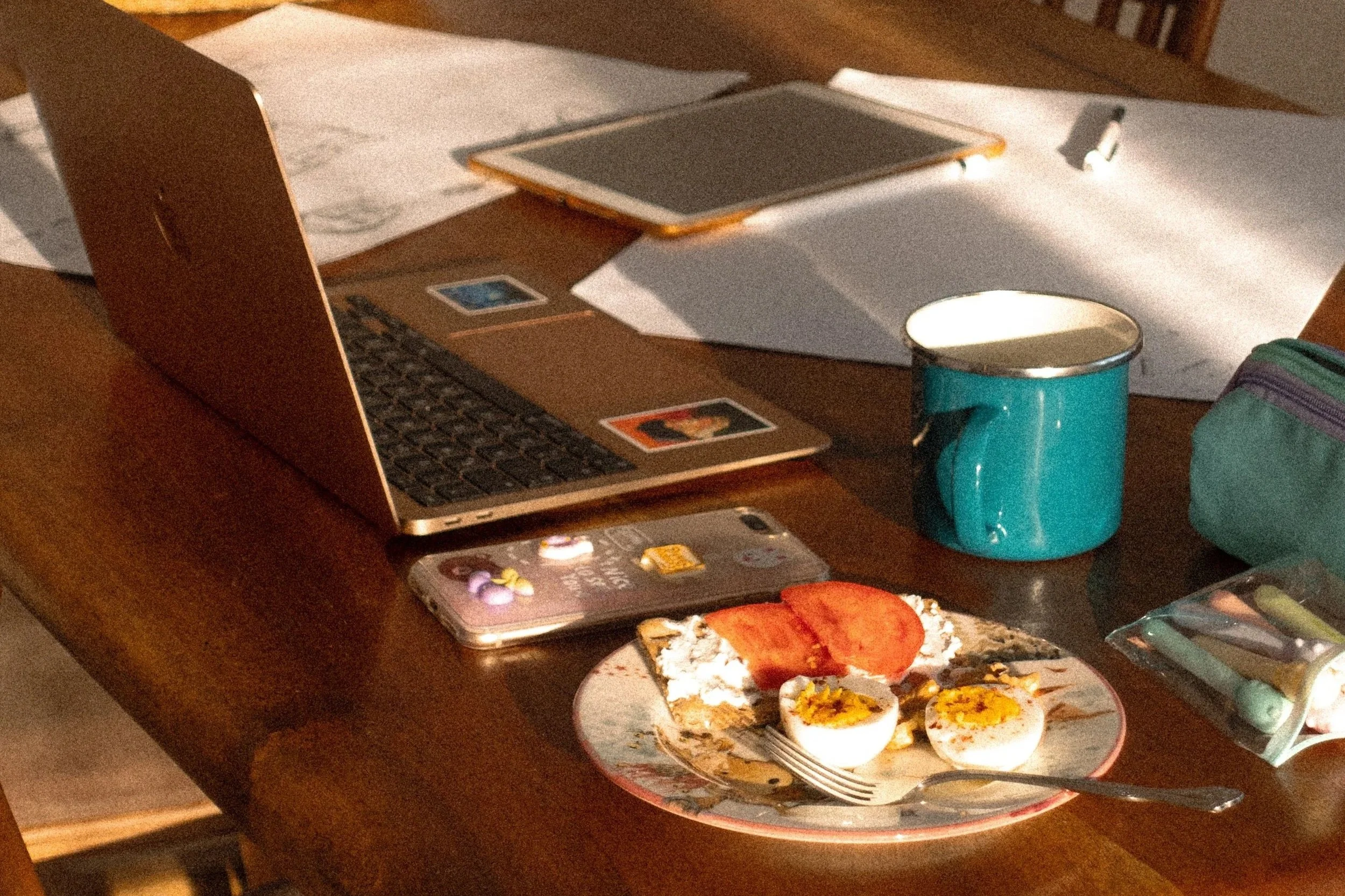
Setting aside a dedicated space at home for your business can make it easier to work out what you can claim.
Is this guide for you?
If you’re a sole trader, contractor or small business owner working from home, you’re in the right place.
If you’re an employee working from home for someone else, the rules are a bit different. You generally can’t claim these costs yourself, but your employer may be able to pay you a tax-free working-from-home allowance, so it’s worth having a chat with them.
And if your business is set up as a company, these costs are usually claimed through the company rather than by you personally. There are a few ways to go about it, so let’s talk it through together first.
What you can claim in full
If you’ve bought something only for your business, you can generally claim the full cost. For most home-based businesses, that includes:
Office supplies, like pens, paper, folders and postage
Printing, including the ink and paper you use for work
Software and subscriptions, like your accounting software or other tools you use to run the business
What you can claim part of
Some things pull double duty, getting used for work and for everyday life. For these, you claim the share that’s used for your business.
Your phone and internet, based on how much you use them for work
Your laptop, desk or chair, if they’re also used privately
Good to know: the $1,000 rule
If something costs less than $1,000 (excluding GST if you’re GST registered), you can usually claim it straight away. If it costs $1,000 or more, like a new laptop, it’s treated as an asset and claimed over a few years through depreciation instead. We’ll take care of working that out for you.
If you have a space set aside for work
This is where things can really add up. If part of your home is set aside mainly for your business, like a spare room you’ve turned into an office, you can also claim a share of your household costs. The same goes for space used mainly to store business stuff, like a corner of the garage full of stock, tools or equipment. That includes:
Mortgage interest (just the interest, not your repayments) or rent
Rates
House insurance
Power and gas
Repairs and maintenance
There are two ways to work out your share.
1. Based on the size of your office
Work out what percentage of your home your office takes up, then claim that percentage of your household costs.
Here’s an example. Say your office is 12m² and your whole house is 150m².
12 ÷ 150 = 8%
That means you can claim 8% of your mortgage interest, rates, insurance, power and so on.
2. A set rate per square metre
If going through every power and gas bill sounds like a headache, there’s a simpler option. IRD publishes a set rate each year, and you multiply it by the size of your office. Your share of mortgage interest, rates and insurance is still worked out on the size of your office, on top of this.
Working from the dining table or couch?
Lots of people start out working from the dining table or the couch, and that’s completely fine. You can still claim the things you use for work, like your supplies, printing, software, and the business share of your laptop, phone and internet.
Where it’s different is your household costs. Because the dining table is shared family space rather than an area set aside for your business, you generally can’t claim a share of your mortgage interest, rates or insurance for it.
What you can’t claim
Everyday personal costs aren’t claimable, even if you happen to be working at the time. That includes your morning coffee, snacks and lunch, general household cleaning products, and furniture the whole family uses.
If you’re GST registered
You can usually claim back the GST on the business share of these costs too. Just keep in mind that some costs, like mortgage interest and rent on your home, don’t have GST on them, so there’s nothing to claim back there.
Keep good records
Hang on to your receipts and invoices, and jot down a quick note of what each one was for. Snapping a photo on your phone and saving them all in one folder works really well. You’ll need to keep your records for at least seven years.
If you’re claiming a share of your phone or internet, it helps to keep a rough record of your work use over a typical month. That way, you can show how you got to your percentage.
Not sure what applies to you?
Every business is a little different, and that’s okay. If you’d like to talk through your set-up, just send me a message.
I’m always happy to help, and I’ll make sure you’re claiming everything you should be.
Note: This article is general information, not personalised tax or financial advice. Every business is different, talk to us about what fits yours. We’d love to chat.
